Cholesterol Diet Guidebook
A written resource to revisit, with practical explanations and source-linked guidance.
£9Explore the guidebookA cholesterol-friendly diet is built from everyday choices: more variety, useful fibre sources and better fat swaps. Explore practical UK shopping and meal ideas alongside clear explanations of cholesterol tests and treatment.
Free guides to read now. Ebook and video course coming soon.
High cholesterol usually has no symptoms, so a blood test is the starting point. Your clinician interprets the result alongside factors such as age, blood pressure, smoking, family history and existing health conditions. Food choices can help, but a single cholesterol number does not define the whole treatment plan.
Some people need medicines even with a balanced diet, particularly when inherited factors or previous cardiovascular disease are involved. Our guides explain how to make sensible food swaps, prepare for a results discussion and build habits you can maintain. They support professional advice without promising a fixed reduction or suggesting you stop prescribed treatment.
Understand the essentials.
Know what to ask next.
Our free Cholesterol Diet starter guide is planned to bring the essentials together in one useful place.
While we prepare it, explore our source-linked articles and practical guides.
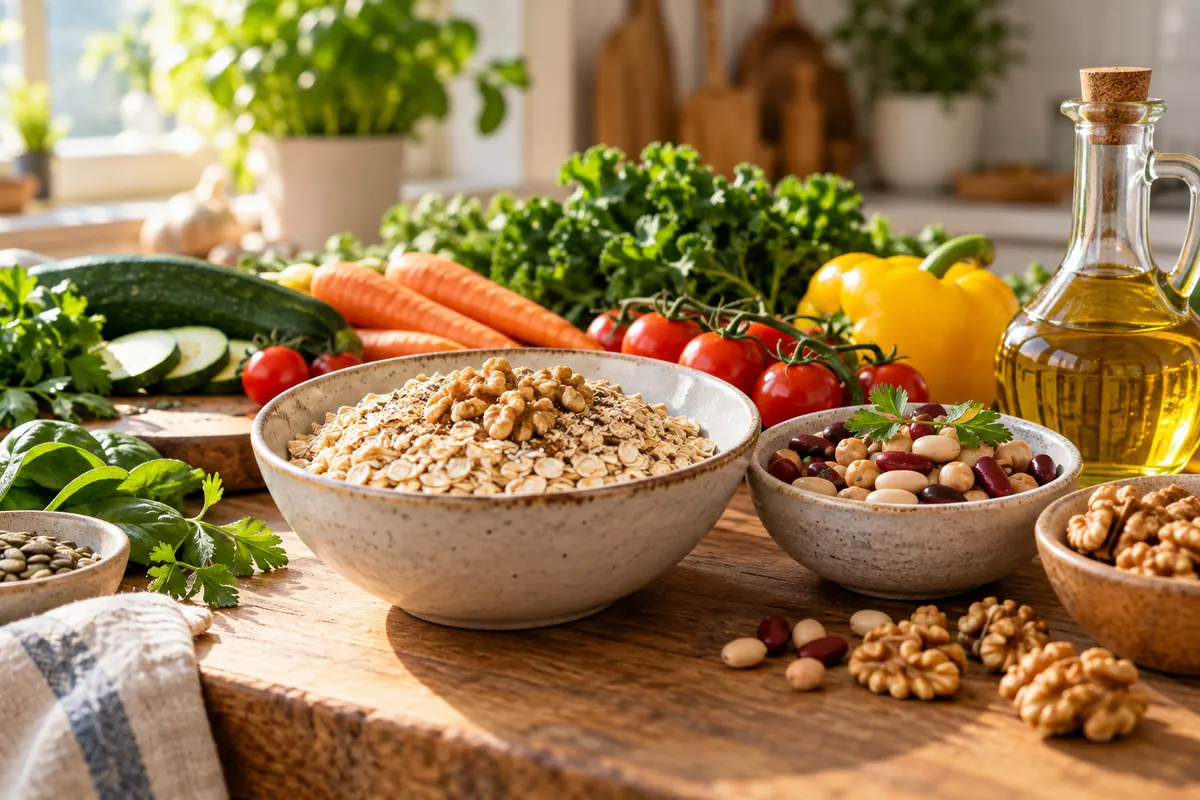
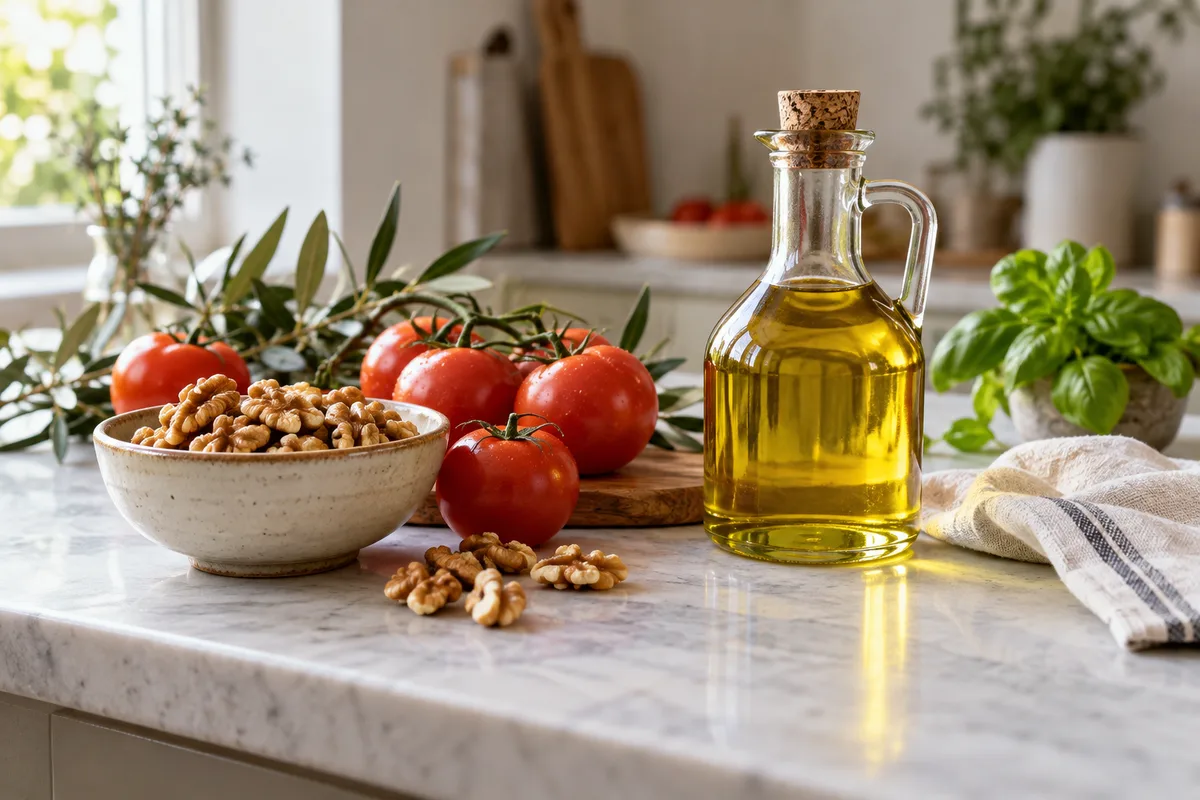
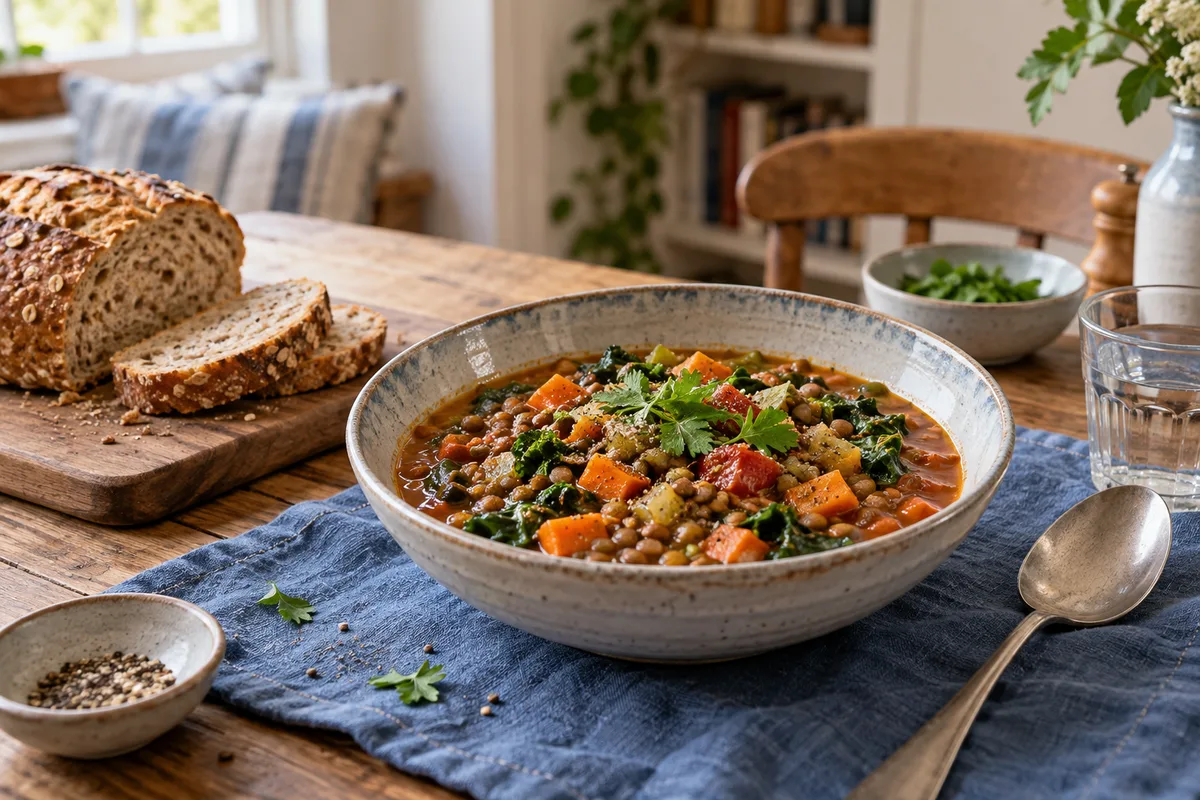
Read the free guides nowFocus on replacing some saturated fat with unsaturated fat, including more wholegrains, beans, fruit and vegetables, and choosing a pattern you enjoy. That can mean cooking with olive or rapeseed oil, adding lentils to a favourite stew, or choosing a lower-saturated-fat everyday lunch. There is no need for a detox or a long list of forbidden foods.
Physical activity, stopping smoking and appropriate alcohol limits also belong in the wider plan. Use repeatable changes rather than a short challenge, and arrange follow-up blood tests with your healthcare team. Your response will depend on the starting result, health history, medicines and the changes you can realistically sustain.
A planned video course about diet and lifestyle for high cholesterol. Lessons and access details will be confirmed before enrolment opens.
Video course coming soon
Planned price £27. No orders or payments are being taken.
Two planned ways to explore the topic in more detail.
A written resource to revisit, with practical explanations and source-linked guidance.
£9Explore the guidebookPlanned lessons to work through at your own pace. Final contents and access are to be confirmed.
£27Explore the courseBoth products are coming soon and have not been created. No orders or payments are being taken.
Explore the practical questions first, then choose the information that fits your own circumstances.
Understand cholesterol results and why food choices, family history and medicines belong in the same conversation.
Read the guidePractical ideas for choosing unsaturated fats, wholegrains and varied meals without avoiding every food you enjoy.
Read the guideBuild an affordable week of adaptable meals using wholegrains, beans, vegetables and useful fat swaps.
Read the guidePut activity and other lifestyle choices into a realistic, supported heart-health plan.
Read the guideStart with the essentials. Follow the linked guides for more detail and sources.
Diet changes can help lower cholesterol and support heart health, but the effect varies. Some people also need prescribed medicines.
No. Continue prescribed treatment and discuss any changes or side effects with your prescriber or pharmacist.
No. The type of fat matters. UK guidance recommends reducing saturated fat and replacing it with unsaturated fats where possible.
High cholesterol usually has no symptoms. A blood test is needed to check your levels.
No. Results and treatment targets depend on your cardiovascular risk and health history. Ask your clinician what your own result means.
Not yet. The £9 guidebook and £27 video course are planned and have not been created.
Start with the questions that matter to you.

Understand cholesterol results and why food choices, family history and medicines belong in the same conversation.
Read article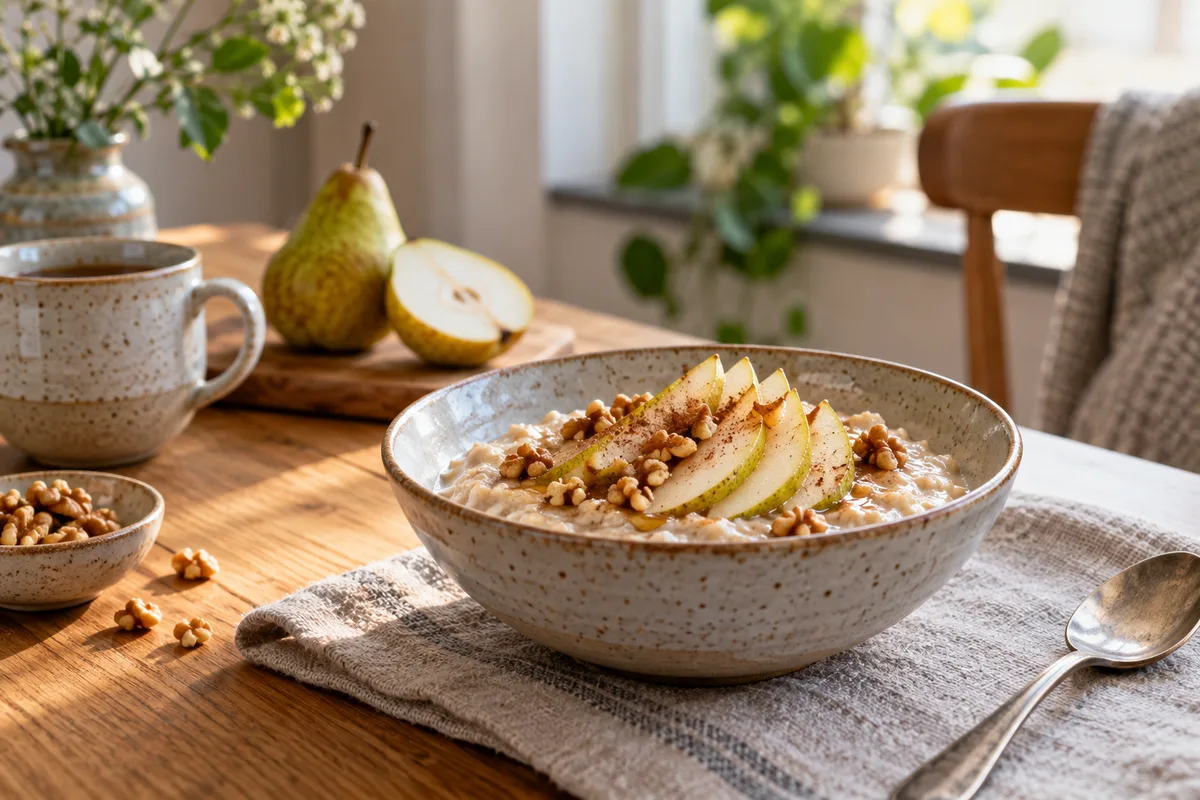
Practical ideas for choosing unsaturated fats, wholegrains and varied meals without avoiding every food you enjoy.
Read article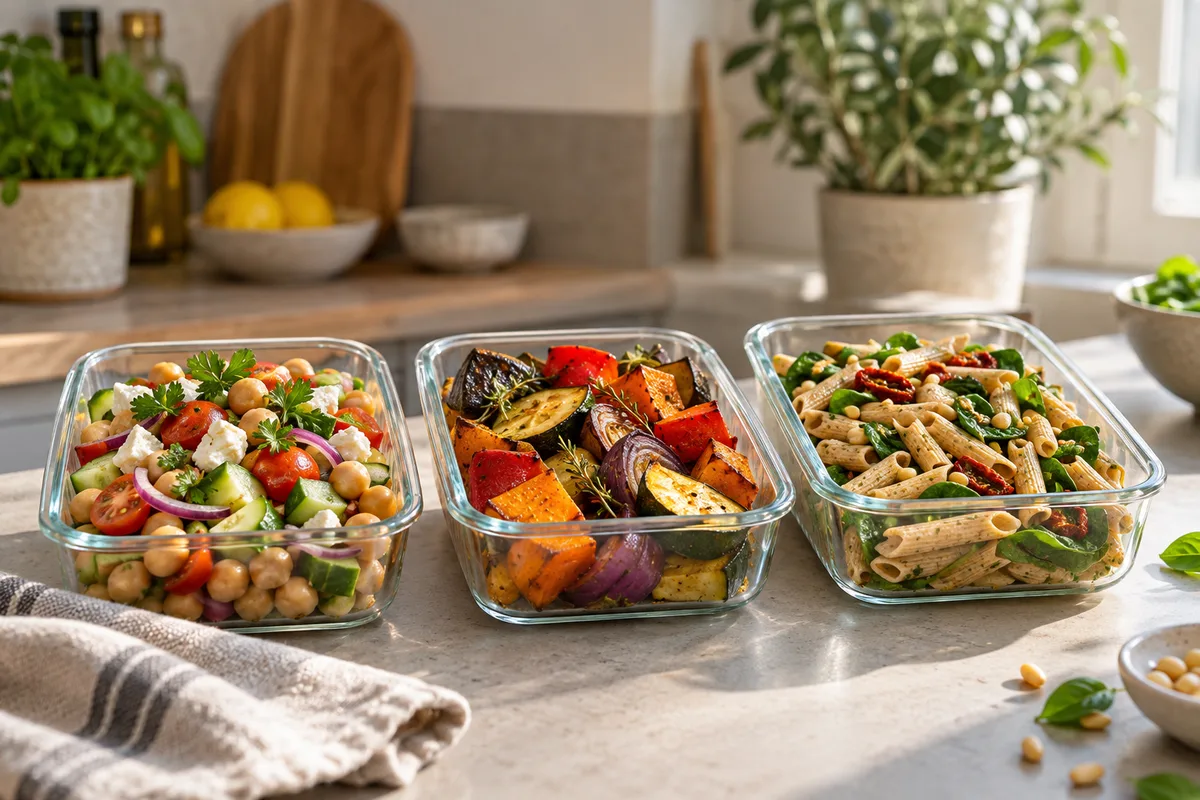
Build an affordable week of adaptable meals using wholegrains, beans, vegetables and useful fat swaps.
Read articleCompare familiar foods and choose more unsaturated-fat options.
Bring wholegrains, beans, fruit and vegetables into your usual cooking.
Turn meal ideas into a short shopping list that fits your budget.
Build an affordable routine around the foods and activities you enjoy.
Understand why results and treatment need a clinician’s interpretation.
Use the source-linked guides to look beyond promises on food packaging.
Information is grounded in the sources linked from each article. These are learning topics, not promised results from our future products.